Introduction
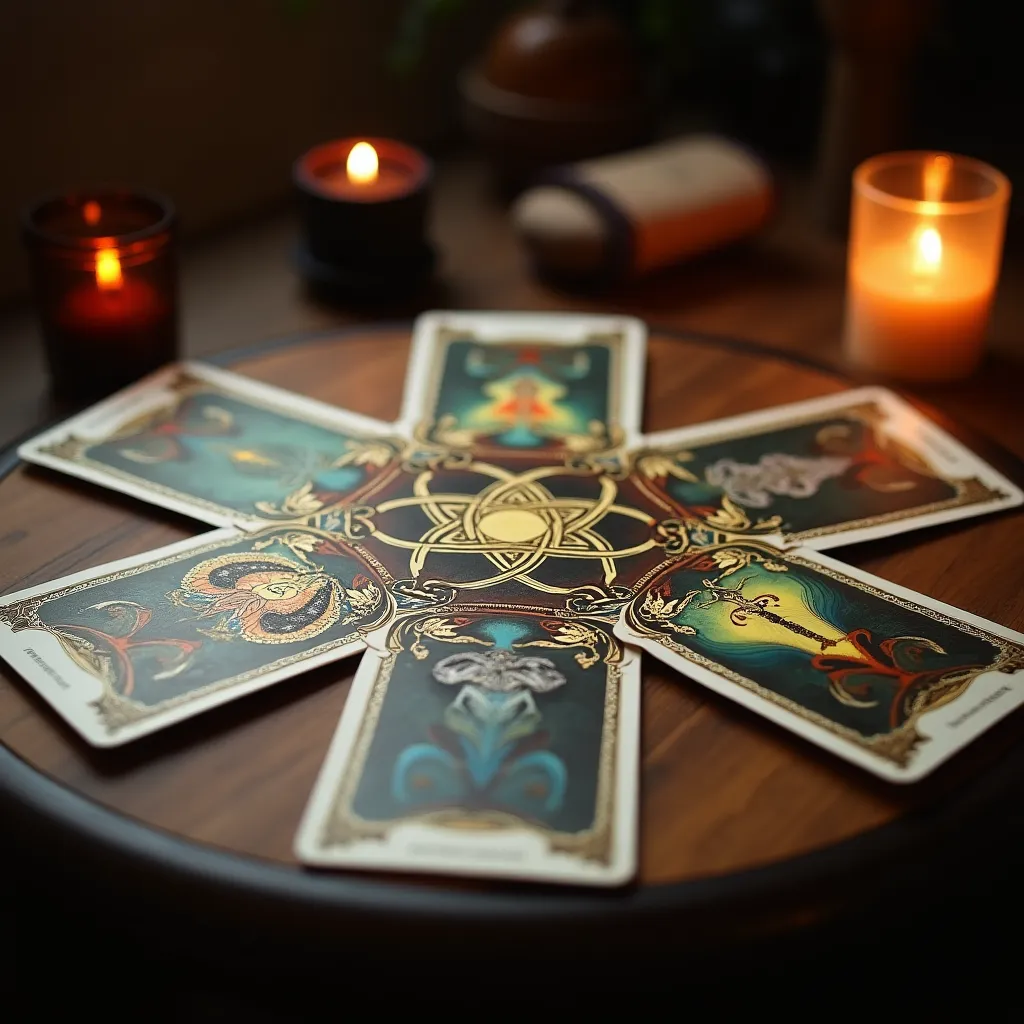
You don't need psychic abilities or years of mystical training to read tarot cards. This ancient practice is a learnable skill that anyone can master with dedication and practice. Contrary to popular myths, tarot reading isn't about predicting the future—it's a powerful tool for self-reflection, gaining clarity, and exploring life's questions from new perspectives.
Learning tarot offers profound benefits beyond fortune-telling. It enhances intuition, encourages mindfulness, and provides a structured framework for examining challenges and opportunities. Whether you're seeking personal guidance or hoping to read for others, tarot becomes a mirror reflecting insights you already possess.
This comprehensive guide on how to read tarot cards for beginners walks you through everything you need: understanding the 78-card deck structure, interpreting major and minor arcana, performing your first readings, and developing your unique reading style. By following these foundational steps, you'll discover how to read tarot cards for beginners becomes an accessible and rewarding journey.
Understanding the Structure of a Tarot Deck
A traditional tarot deck contains 78 cards divided into two primary sections: the Major Arcana and Minor Arcana. The Major Arcana comprises 22 cards, numbered 0-21, representing significant life lessons and spiritual milestones. These cards depict archetypal experiences from The Fool's journey to The World's completion, symbolizing major turning points and universal themes.
The Minor Arcana consists of 56 cards split into four suits: Cups (emotions), Pentacles (material matters), Swords (intellect), and Wands (creativity). Each suit contains numbered cards (Ace through Ten) representing everyday situations, plus four court cards (Page, Knight, Queen, King) embodying personality types and people in readings.
| Aspect | Major Arcana | Minor Arcana |
|---|---|---|
| Number of Cards | 22 cards | 56 cards |
| Themes | Life-changing events, spiritual lessons | Daily experiences, practical matters |
| Reading Impact | Powerful, significant influence | Situational, contextual details |
| Learning Priority | Master first for foundational meaning | Build upon Major Arcana understanding |
| Symbolism Level | Deep, archetypal, universal | Specific, relatable, accessible |
Choosing and Preparing Your First Tarot Deck
Selecting your first tarot deck is a deeply personal journey. The Rider-Waite-Smith remains the gold standard for beginners, featuring clear symbolism and extensive learning resources. However, modern alternatives like the Modern Witch Tarot offer contemporary imagery that resonates with today's readers.
| Deck Name | Price Range | Art Style | Guidebook | Best For |
|---|---|---|---|---|
| Rider-Waite-Smith | $15-$25 | Traditional, detailed | Comprehensive | Learning classic symbolism |
| Modern Witch Tarot | $18-$28 | Contemporary, diverse | Detailed | Modern practitioners |
| Everyday Tarot | $16-$24 | Minimalist, colorful | Beginner-friendly | Daily readings |
| Wild Unknown | $20-$30 | Artistic, nature-based | Interpretive | Intuitive readers |
| Light Seer's Tarot | $22-$32 | Photographic, vibrant | Extensive | Visual learners |
Cleanse new cards by moonlight, sage smoke, or intention-setting meditation. Create a dedicated reading space with comfortable seating and minimal distractions. Store your deck wrapped in silk or natural fabric to maintain its energy between sessions.
Essential Tarot Spreads for Beginners
Mastering foundational spreads transforms your tarot practice from overwhelming to manageable. Start with one-card daily draws to strengthen intuitive connections—pull a single card each morning and journal how its energy manifests throughout your day. This consistent practice builds recognition patterns and deepens card relationships.
The three-card spread offers versatile insights beyond past-present-future interpretations. Use it for situation-action-outcome scenarios or challenge-action-resolution readings. Position matters: left card represents what's behind you, center shows current energy, right reveals what's approaching.
For complex questions requiring nuanced answers, the Celtic Cross provides comprehensive guidance through its ten-card layout. This intermediate spread examines present circumstances, challenges, subconscious influences, recent past, possible outcomes, and external factors simultaneously. Begin practicing this spread after mastering simpler layouts to avoid interpretation confusion and maintain reading clarity.
Developing Your Intuition and Interpretation Skills
Moving beyond memorization transforms tarot reading from reciting definitions to genuine insight. Begin by examining each card's imagery before consulting guidebooks—notice colors, facial expressions, and symbolic elements that draw your attention. These spontaneous observations often reveal personalized meanings that resonate more deeply than traditional interpretations.
Visual storytelling strengthens intuitive connections. Lay three cards together and create a narrative linking their symbols, imagining characters interacting across the spread. This technique helps readers synthesize multiple cards into cohesive messages rather than isolated meanings.
Maintain a dedicated tarot journal documenting your daily card pulls, initial impressions, and how situations unfold. Record which symbols caught your eye and why certain interpretations felt accurate. Over time, patterns emerge revealing your unique interpretive style and strengthening confidence in your intuitive abilities, essential skills for any aspiring Tarot Reader developing their practice.
Common Beginner Mistakes and How to Avoid Them
New tarot readers often stumble over predictable obstacles that can hinder their development. One major pitfall is over-relying on guidebooks instead of trusting intuitive interpretation. While reference materials provide foundational meanings, authentic readings emerge when you connect personally with the imagery and symbolism.
Another common mistake involves reading too frequently or repeatedly asking identical questions, hoping for different answers. This practice, called "card chasing," creates confusion and undermines the cards' guidance. Allow at least 24-48 hours between readings on the same topic.
Many beginners also misunderstand tarot's purpose, expecting concrete predictions rather than guidance. Tarot illuminates possibilities and influences, empowering informed decisions rather than dictating fixed outcomes. The cards reflect current energies and potential paths, not unchangeable fate. Embracing this perspective transforms your practice from fortune-telling into meaningful self-reflection and strategic planning.
Crafting Meaningful Questions for Your Readings
The quality of your tarot reading depends heavily on how you frame your questions. Instead of asking "Will I get the job?" transform it into "What can I do to improve my chances in this career opportunity?" Open-ended questions beginning with "what," "how," or "why" invite deeper insights and actionable guidance.
Tarot excels at exploring motivations, revealing hidden influences, and suggesting approaches to challenges. However, it cannot predict lottery numbers or provide medical diagnoses. The cards work best when you seek understanding rather than absolute answers.
| Life Area | Weak Question | Powerful Question |
|---|---|---|
| Career | Will I get promoted? | What steps can I take to advance my career? |
| Love | Does he love me? | How can I nurture deeper connection in this relationship? |
| Personal Growth | Am I on the right path? | What lessons am I meant to learn right now? |
| Decision Making | Should I move? | What factors should I consider before relocating? |
| Timing | When will I meet someone? | How can I prepare myself for meaningful relationships? |
Building Your Daily Practice and Continuing Education
Establishing a consistent daily card pull routine transforms tarot from occasional curiosity into genuine skill. Each morning, draw one card and spend five minutes contemplating its imagery, symbolism, and potential relevance to your day. Before bed, revisit that card and journal about how its themes manifested in your experiences.
Deepen your knowledge through quality resources. Rachel Pollack's "Seventy-Eight Degrees of Wisdom" offers comprehensive card interpretations, while Biddy Tarot's online courses provide structured learning paths. Join communities like r/tarot on Reddit or the Tarot Reader forums to connect with practitioners at all levels.
Your tarot journal becomes invaluable over time. Record each reading with the date, question asked, cards drawn, initial interpretation, and eventual outcome. This practice reveals patterns in your interpretations, tracks accuracy improvements, and documents your evolving relationship with the cards, creating a personalized reference guide that grows alongside your skills.
Conclusion
You've now explored the essential foundations of tarot reading: understanding the 78-card deck structure, learning Major and Minor Arcana meanings, mastering card positions and spreads, and developing your intuitive interpretation skills. These building blocks form the pathway to confident, insightful readings.
Begin your practice simply. Draw a single card each morning, journal your impressions, and observe how its energy unfolds throughout your day. This daily ritual strengthens your connection with the cards and builds interpretive confidence naturally.
Remember, every expert reader started exactly where you are now. Trust your intuition, embrace the learning process, and allow your unique reading style to emerge organically. The cards respond to genuine curiosity and consistent practice.
Ready to accelerate your learning? Try AI-powered tarot readings on Tarot Reader for guided interpretations that help you understand card meanings in context while developing your own intuitive voice. Your tarot journey begins today.