Introduction
The three card tarot spread stands as the most accessible yet powerful reading format for both newcomers and seasoned practitioners. This elegant structure strikes the perfect balance between simplicity and interpretive depth, offering clear insights without overwhelming complexity. Platforms like Tarot Reader have made this format even more accessible, providing guided three card readings that help beginners understand the fundamentals while offering seasoned practitioners a convenient way to practice their skills. Whether you're exploring past-present-future dynamics, weighing critical decisions, or seeking guidance on love, career, or personal transformation, understanding three card tarot spread meanings delivers remarkably nuanced answers. Throughout this complete guide, you'll discover multiple spread variations tailored to specific life questions, learn proven interpretation techniques that unlock deeper three card tarot spread meanings, and master the art of weaving three cards into cohesive, actionable guidance that illuminates your path forward.
1. Understanding the Fundamentals of Three Card Tarot Spreads
The three card tarot spread has anchored divination practice since the 18th century, offering readers an elegant balance between depth and accessibility. This format emerged as tarot evolved from gaming cards to spiritual tools, becoming the foundational spread taught to beginners while remaining sophisticated enough for experienced practitioners. Its enduring popularity stems from the human mind's natural affinity for triadic structures—beginning, middle, end; thesis, antithesis, synthesis—which create complete narratives from minimal information. Resources like Tarot Reader provide an ideal environment for practicing this foundational spread, allowing both beginners and experienced readers to explore the nuances of three card interpretations without the complexity of larger layouts. Three cards provide sufficient complexity to address nuanced questions while avoiding the overwhelm that larger spreads can trigger in both readers and querents.
Why Three Cards Create the Perfect Reading Structure
Three-card configurations leverage cognitive psychology's "rule of three," where information presented in triads becomes more memorable and persuasive. This structure mirrors storytelling fundamentals: setup, conflict, resolution. Readers can quickly identify patterns and progressions without drowning in excessive data points. The limited number forces prioritization—each card must carry significant weight, eliminating filler interpretations. Neurologically, three elements represent the minimum needed to establish a pattern while remaining within working memory capacity. This sweet spot allows intuition to flow freely without analytical paralysis, making readings feel both manageable and meaningful for decision-making processes.
The Basic Principles of Positional Interpretation
Positional meaning transforms individual card symbolism into contextual narrative. The first position establishes the foundation or past influence, the second reveals present dynamics or challenges, and the third indicates outcomes or advice. A Tower card means vastly different things in position one (past upheaval shaping current circumstances) versus position three (impending transformation). Cards don't exist in isolation—they converse with neighbors, creating dialogues where the Fool preceding the Hermit suggests reckless behavior requiring reflection, while the Hermit before the Fool indicates wisdom informing new beginnings. Understanding these positional relationships elevates readings from card memorization to genuine interpretation skill.
2. Past-Present-Future: The Classic Three Card Spread
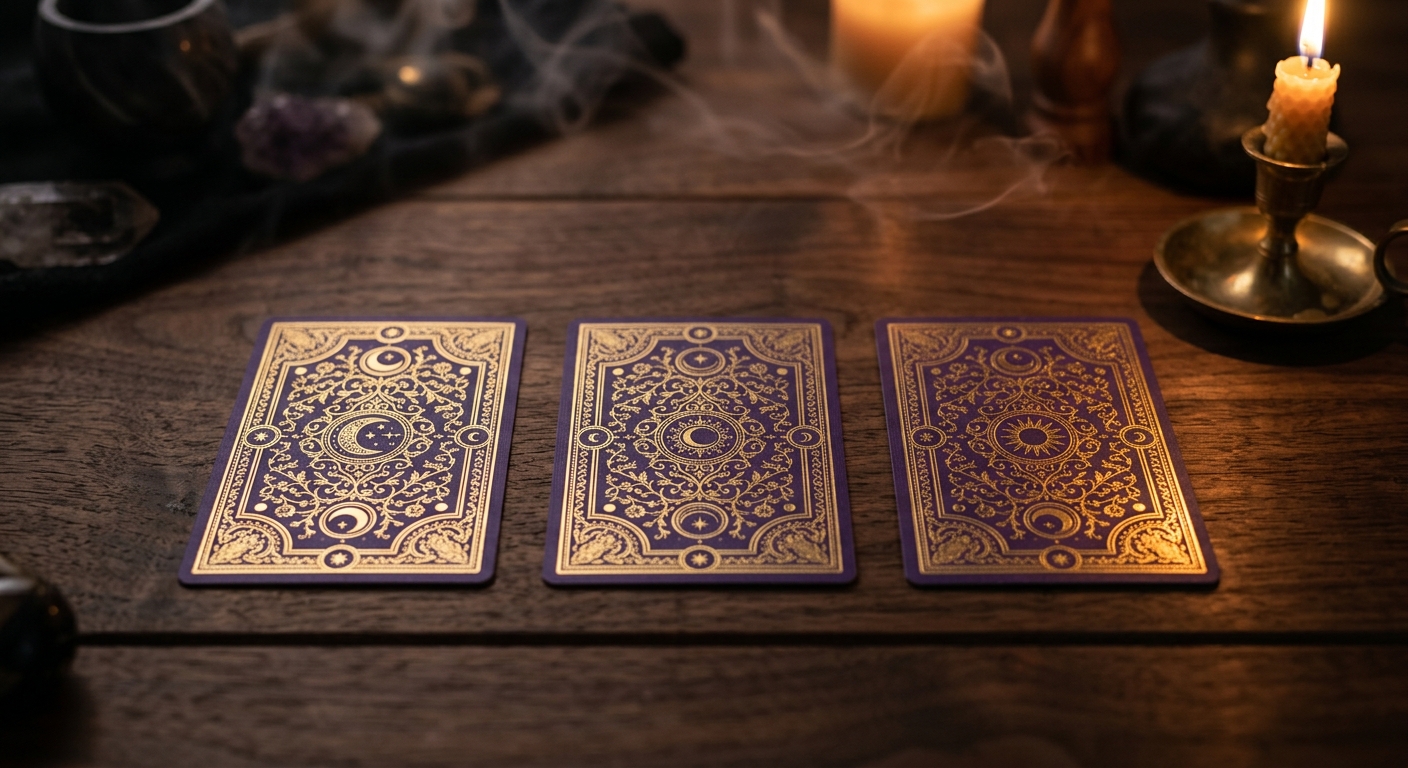
The Past-Present-Future spread stands as the most accessible and widely practiced three-card layout in tarot reading. This temporal arrangement positions cards from left to right, creating a chronological narrative that reveals how past influences shape current circumstances and potential outcomes. The first card represents events or energies that have already occurred, the middle card reflects your present situation, and the third card indicates where you're heading. This straightforward structure makes it ideal for gaining perspective on life transitions, understanding relationship dynamics, or evaluating career decisions. When performing a three card spread, shuffle your deck while focusing on your question, then draw three cards and lay them in sequence to unlock insights about your journey through time.
Reading the Past Position for Root Causes
The first card reveals foundational patterns that created your current reality. Look for cards indicating past decisions, relationships, or circumstances that established the groundwork for today's situation. Major Arcana cards in this position suggest significant life events or karmic influences, while Minor Arcana cards point to everyday experiences that accumulated impact. For example, The Tower in the past position indicates a disruptive event that dismantled old structures, while the Five of Cups suggests unresolved grief or disappointment. Examine the card's imagery and symbolism to identify what lessons or baggage you're carrying forward from previous chapters of your story.
Connecting Timeline Cards into Coherent Narrative
Effective timeline reading requires viewing the three cards as chapters in one continuous story rather than isolated snapshots. Notice how the past card's energy flows into the present, creating cause-and-effect relationships. If the past shows The Devil and the present reveals the Eight of Swords, the narrative suggests past bondage or unhealthy attachments have created current feelings of being trapped. The future card then indicates whether you'll break free or remain stuck. Pay attention to suit progressions, numerical sequences, and thematic connections that reveal the trajectory of transformation unfolding across your timeline.
3. Situation-Action-Outcome: The Decision-Making Spread
The Situation-Action-Outcome spread transforms tarot into a strategic decision-making tool by mapping your current reality, recommended steps, and potential consequences. The first position reveals your present circumstances and the factors influencing your dilemma. The second position prescribes the action or approach you should adopt, while the third position forecasts the likely result if you follow that guidance.
This linear structure works exceptionally well for concrete questions: "Should I accept this job offer?" or "How do I resolve this conflict?" The action card serves as your roadmap, translating symbolic imagery into behavioral guidance. If you're contemplating a career change and draw The Chariot in the action position, it suggests moving forward decisively with confidence. The outcome card then shows where that determination leads—perhaps The Sun, indicating success and recognition. For relationship decisions, drawing The Two of Cups as action advice might recommend open communication and partnership, with the Ten of Cups as outcome suggesting lasting harmony.
Interpreting Action Cards as Guidance
Reading the middle position requires shifting from passive observation to active translation. Transform card symbolism into concrete behaviors: The Hermit suggests stepping back for reflection before deciding, while The Magician indicates taking initiative and using available resources. Major Arcana cards often point to significant shifts in approach, whereas Minor Arcana cards offer specific tactical moves within your situation's context.
4. Mind-Body-Spirit and Other Alternative Three Card Layouts
Beyond traditional past-present-future readings, alternative three card layouts offer specialized frameworks for specific situations. These variations provide targeted insights by reframing positions to address particular questions or life areas. The mind-body-spirit spread examines holistic wellness, while relationship-focused layouts explore interpersonal dynamics through multiple perspectives. Opportunity-challenge-outcome spreads help evaluate situations objectively, and problem-cause-solution formats identify root issues and pathways forward. Choosing the appropriate spread depends on your question's nature—wellness concerns benefit from holistic layouts, while interpersonal issues require relationship-specific positions.
Mind-Body-Spirit Spread for Holistic Wellness
This spread addresses your complete well-being across three interconnected dimensions. The first card represents your mental state—thoughts, beliefs, and cognitive patterns affecting daily life. The second card reveals physical condition, including energy levels, health concerns, or bodily needs requiring attention. The third card illuminates spiritual well-being—your connection to purpose, intuition, and inner wisdom. This comprehensive approach proves invaluable during life transitions, stress periods, or when seeking balanced self-care strategies. Unlike linear spreads, it acknowledges how mental stress manifests physically or spiritual disconnection affects emotional health.
Relationship-Focused Three Card Spreads
The you-other-relationship spread examines interpersonal dynamics through triadic perspective, positioning cards to represent yourself, the other person, and the relationship's energy or potential. This layout works for romantic partnerships, friendships, family connections, or professional relationships. The first position reveals your contributions, feelings, and perspective. The second shows the other person's stance, motivations, or hidden factors. The third card synthesizes the relationship's current state or future direction. For deeper exploration of connection patterns, consider trying a relationship spread reading that expands these dynamics further.
5. How to Interpret Three Cards Together as a Cohesive Reading
Reading three cards as a unified message transforms individual meanings into profound insights. The key lies in observing how cards interact—notice if multiple cards share the same suit, suggesting a dominant energy, or if sequential numbers appear, indicating progression. Look for visual echoes: similar colors, figures facing each other or away, or repeated symbols like water or swords. These connections reveal the deeper story your spread tells, moving beyond isolated interpretations to cohesive guidance.
Finding Patterns and Connections Between Cards
Elemental patterns provide powerful clues—three Cups cards emphasize emotional themes, while multiple Swords highlight mental challenges. Number sequences (like 3-4-5) suggest natural progression or escalation. Notice archetypal repetition: multiple authority figures indicate power dynamics, while several journey cards suggest transition. Color dominance matters too—predominantly dark cards signal introspection, bright ones indicate outward energy. Court card combinations reveal relationship dynamics or different aspects of personality. These patterns create interpretive frameworks that bind individual meanings into meaningful narratives.
Handling Reversed Cards in Three Card Readings
Reversed cards add nuance without overwhelming the reading. When one card reverses among two upright, it highlights where energy blocks or delays manifest within the timeline or situation. Two reversed cards suggest significant obstacles requiring attention, while three reversals indicate deep internal work needed. Consider reversals as modifiers—they soften intense cards or intensify gentle ones. In Past-Present-Future spreads, a reversed Present card often shows current resistance, while a reversed Future suggests the outcome remains flexible. Balance reversed meanings with surrounding upright cards to maintain coherent flow rather than creating contradictory interpretations.
6. Specialized Three Card Spreads for Love, Career, and Daily Guidance
Three card spreads adapt beautifully to specific life areas, offering targeted insights when you frame the positions appropriately. By customizing your spread structure to match your question's context, you create a focused reading that speaks directly to your situation. Whether exploring romantic connections, professional decisions, or daily intentions, specialized spreads provide clarity through their purposeful design.
Love and Relationship Three Card Readings
Love-focused spreads examine romantic dynamics through positions like "You/Partner/Relationship" or "Past Connection/Current State/Future Potential." For dating questions, try "What I Bring/What They Bring/Relationship Outcome." A reading about new romance might reveal The Lovers (mutual attraction), Two of Cups (emotional connection), and Three of Swords reversed (overcoming past heartbreak together). For existing relationships, use "Challenge/Hidden Strength/Path Forward" to navigate difficulties. Another powerful variation positions cards as "Physical Attraction/Emotional Bond/Spiritual Connection" to assess relationship depth comprehensively.
Career and Financial Guidance Spreads
Professional readings benefit from positions like "Current Role/Hidden Opportunity/Next Step" or "Skills/Obstacles/Success Path." For job searches, arrange cards as "Your Strengths/Market Conditions/Best Approach." A career change reading might show Eight of Pentacles (current mastery), Wheel of Fortune (timing for change), and Ace of Wands (new creative opportunity). Financial spreads work well as "Income/Expenses/Financial Health" or "Investment/Risk/Outcome." Business decisions gain clarity through "Option A/Option B/Deciding Factor" positioning, helping entrepreneurs and professionals navigate complex choices confidently.
7. Step-by-Step Process for Performing Your First Three Card Reading
Beginning your tarot journey requires intentional preparation and mindful execution. Before drawing cards, cleanse your deck by knocking three times or passing it through incense smoke. Select a quiet space free from distractions, and light a candle to signal the start of your sacred practice. Hold your deck while centering yourself through deep breathing, then clearly state your intention for the reading aloud or internally.
Preparing Your Space and Formulating Questions
Create a dedicated reading area with a clean cloth surface and comfortable seating. Remove electronic distractions and consider using soft lighting or crystals to enhance focus. When formulating questions, avoid yes-no inquiries like "Will I get the job?" Instead, ask "What should I understand about this career opportunity?" or "What energies surround my professional path?" Open-ended questions beginning with "what," "how," or "why" yield richer insights. Shuffle your deck while concentrating on your question, using overhand, riffle, or spreading methods—whichever feels natural. Cut the deck into three piles with your non-dominant hand, then reassemble them intuitively before selecting your three cards from the top.
Recording and Reflecting on Your Readings
Maintain a dedicated tarot journal documenting the date, question, cards drawn, initial impressions, and final interpretation for each reading. Note which cards appear frequently in your practice, as these reveal personal themes and patterns. Review your journal monthly to assess how predictions manifested and identify where your intuition proved accurate. This reflection strengthens your interpretive skills and builds confidence in reading symbolism. Recording also helps distinguish between wishful thinking and genuine intuitive guidance, refining your ability to deliver meaningful readings consistently.
Conclusion
Three card tarot spreads offer remarkable versatility for both beginners and experienced readers. Throughout this guide, we've explored essential spreads including Past-Present-Future, Situation-Action-Outcome, Mind-Body-Spirit, and specialized relationship and decision-making configurations. Each spread serves distinct purposes, from gaining temporal perspective to examining internal dynamics and navigating complex choices.
Mastery develops through consistent practice and trusting your intuitive connection with the cards. Don't hesitate to experiment with different spread interpretations—your personal relationship with tarot deepens as you discover which frameworks resonate most authentically with your reading style.
Ready to begin your practice immediately? Experience a free AI tarot reading that guides you through three card spreads with personalized interpretations, helping you build confidence and refine your skills from your very first reading.