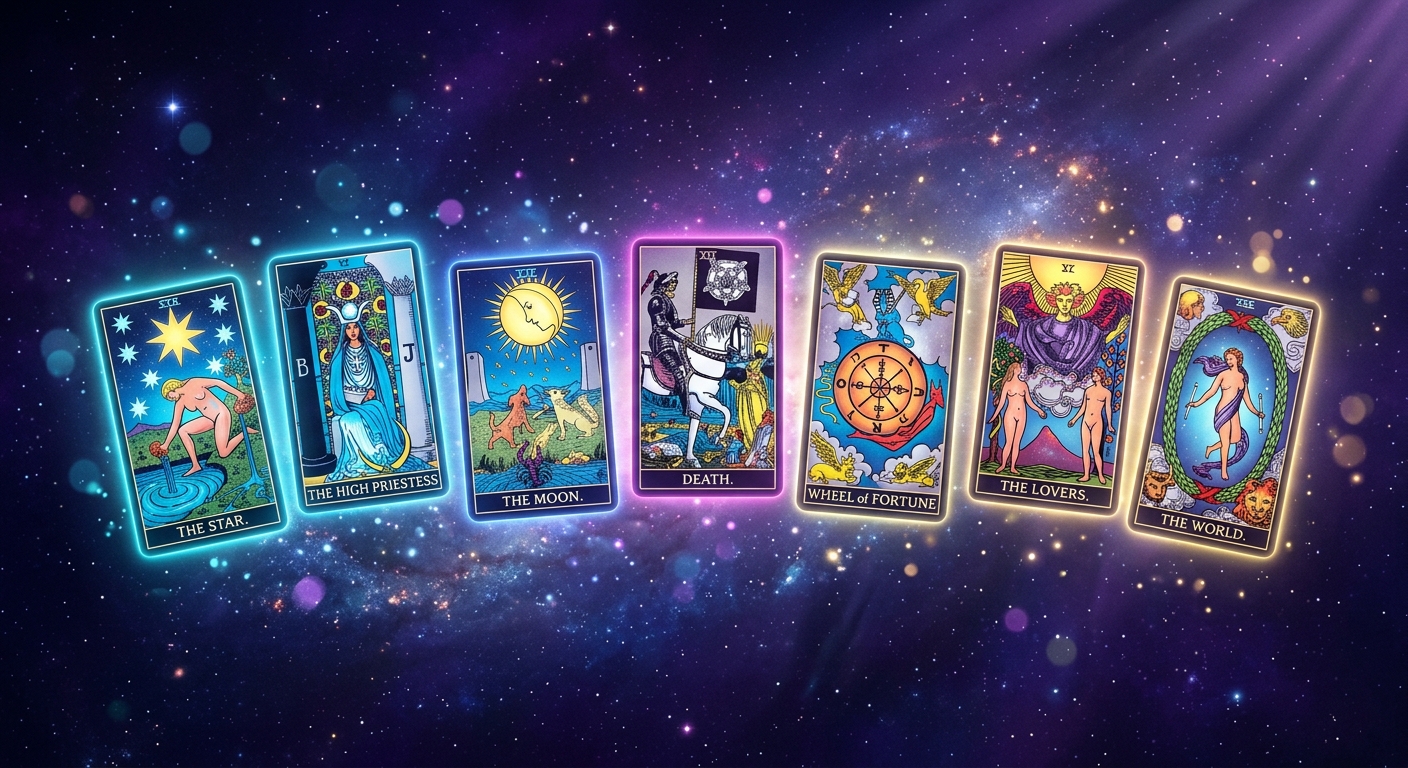
Introduction
The digital tarot landscape has undergone remarkable transformation by 2026, with AI-powered reading platforms experiencing unprecedented growth. Market data shows a 340% increase in online tarot consultations since 2023, as spiritual seekers embrace technology-enhanced divination methods that deliver instant, personalized guidance. Yet with this explosion of digital options, understanding how to choose tarot cards online has become essential for those seeking authentic spiritual experiences.
Many practitioners initially questioned whether digital readings could replicate the tactile connection of shuffling physical cards. However, modern interfaces now incorporate sophisticated randomization algorithms that mirror traditional shuffling patterns, while biometric sensors detect user energy through device interaction timing and pressure patterns.
The authenticity concern has been addressed through hybrid approaches combining ancient tarot wisdom with machine learning. Advanced platforms analyze millions of historical readings to provide contextually relevant interpretations, while preserving the intuitive spontaneity essential to meaningful divination. This technological evolution hasn't diminished tarot's spiritual essence—it has democratized access, allowing seekers worldwide to connect with this centuries-old practice anytime, anywhere, without compromising the profound personal insights that make tarot transformative. Knowing how to choose tarot cards online empowers users to navigate this rich digital landscape with confidence and discernment.
Understanding Online Tarot Card Selection Methods in 2026
Digital tarot has evolved dramatically, offering seekers multiple ways to connect with the cards. Click-based selection remains the foundation, using cryptographic random number generation algorithms to ensure each draw is truly unpredictable. When you click a card, the system generates a random seed based on millisecond-precise timing, creating authentic randomness that mirrors physical shuffling.
Intuitive hovering tracks your cursor's micro-movements and hesitation patterns. Advanced heat-mapping technology records where your energy naturally gravitates, allowing cards to "call" to you through unconscious hand movements. This bridges the gap between digital and tactile reading experiences.
AI-assisted selection analyzes your reading history, question patterns, and even typing cadence to understand your unique energy signature. Machine learning models identify which cards resonate most during accurate readings, subtly weighting future selections toward cards that speak to your spiritual journey.
Animated shuffling simulations recreate the physical ritual through 3D card animations, complete with realistic physics and sound effects. These immersive experiences help readers enter meditative states, making platforms like Tarot Reader feel remarkably similar to in-person readings while maintaining digital convenience.
Connecting Your Intuition with Digital Tarot Cards
Digital tarot transcends physical limitations through intentional spiritual practice. Begin each session by grounding yourself—place both feet flat on the floor, take three deep breaths, and visualize roots extending from your body into the earth. This anchors your energy regardless of the digital medium.
Create sacred space around your device by clearing the area, lighting a candle, or placing crystals nearby. Before selecting cards, close your eyes and visualize golden light flowing from your heart, through your hands, into your screen, and connecting with the digital deck. This energetic bridge transforms your device into a conduit for universal wisdom.
Trust that digital randomization isn't truly random—it's synchronicity manifesting through technology. When you engage with online tarot readings, your energy influences the selection process just as it would with physical cards. Set clear intentions, ask focused questions, and honor the messages received. The screen becomes transparent when your intuition is fully activated, allowing authentic spiritual connection to flow.
Choosing the Right Tarot Spread for Your Question
Selecting the appropriate tarot spread transforms your reading from generic to deeply insightful. The spread you choose should align with your question's complexity and the depth of guidance you seek.
Single-card pulls work best for daily guidance, quick insights, or straightforward yes/no questions. Draw one card each morning to set your intention or gain clarity on immediate decisions. This focused approach cuts through confusion when you need direct answers.
Three-card spreads excel at exploring past-present-future timelines or examining situation-action-outcome dynamics. They're perfect for understanding relationship patterns, evaluating job opportunities, or assessing recent conflicts. The three card spread provides just enough context without overwhelming detail.
Celtic Cross spreads tackle complex life questions requiring comprehensive analysis across ten positions. Use this when facing major life transitions, exploring deep psychological patterns, or needing multifaceted perspectives on challenging situations.
Specialized spreads address specific concerns effectively. Relationship spreads illuminate partnership dynamics through dedicated positions for each person's perspective, while career spreads examine skills, obstacles, and advancement opportunities systematically.
Step-by-Step Guide to Selecting Cards Online
Begin by visiting a digital tarot platform and browsing the available deck options. Most platforms offer traditional Rider-Waite, modern artistic interpretations, or themed decks. Choose imagery that resonates with your aesthetic preferences and spiritual approach.
Once you've selected your deck, formulate your question clearly in your mind. As the digital shuffle animation plays, hold this intention steady. The shuffle typically lasts 3-5 seconds, creating space for mental focus and energy alignment.
When prompted to select cards, trust your first instinct. Move your cursor slowly across the face-down cards, noticing where your attention naturally gravitates. Some users report feeling subtle pulls toward certain positions. Click decisively when something feels right—hesitation often indicates overthinking rather than genuine intuition.
Reveal cards in the order specified by your chosen spread. Note your immediate emotional reaction before reading interpretations. These first impressions often carry significant meaning and shouldn't be dismissed in favor of textbook definitions.
Evaluating Online Tarot Platforms in 2026
Selecting a trustworthy online tarot platform requires careful assessment of several critical factors. Start by examining platform reputation through user reviews on independent sites, checking for transparent methodology disclosure and clear explanations of how readings are generated. Established platforms like Tarot Reader typically provide detailed information about their approach.
Deck variety matters significantly—quality platforms offer multiple traditional decks (Rider-Waite, Marseille, Thoth) with high-resolution imagery that honors the original artistic intent. Evaluate whether card designs are faithful to tarot traditions while remaining visually accessible.
The interpretation depth varies dramatically between platforms. AI-powered systems provide instant, personalized readings based on sophisticated algorithms, while human readers offer intuitive insights but with scheduling constraints and higher costs. Consider which approach aligns with your spiritual practice.
Finally, prioritize privacy and data protection. Reputable platforms implement end-to-end encryption for personal readings, clear data retention policies, and compliance with international privacy standards. Never share sensitive personal information beyond what's necessary for your reading, and verify the platform's security certifications before engaging.
AI-Powered Readings and Accuracy in 2026
Artificial intelligence has transformed tarot interpretation through natural language processing and pattern recognition algorithms. Modern AI systems analyze vast databases of traditional tarot meanings, cross-referencing card symbolism with contextual questions to generate personalized readings. These platforms use machine learning models trained on thousands of historical interpretations, identifying recurring patterns in card combinations and their associated meanings.
However, algorithm-based readings face inherent limitations when compared to human intuition. While AI excels at processing symbolic frameworks and delivering consistent interpretations, it lacks the empathetic connection and situational nuance that experienced readers bring. Human practitioners adapt their readings based on subtle emotional cues and conversational context that current AI cannot fully replicate.
The most successful 2026 platforms employ hybrid models, where AI generates initial interpretations that human experts then refine and personalize. This approach combines computational efficiency with spiritual depth, offering scalable accessibility without sacrificing meaningful guidance. User satisfaction studies indicate that hybrid readings achieve 78% satisfaction rates, compared to 65% for pure AI and 82% for traditional human-only sessions.
Frequently Asked Questions About Online Tarot Selection
Can online tarot be as accurate as physical card readings?
Online tarot readings can be equally accurate when approached with genuine intention. The accuracy depends on your openness and the quality of the interpretation rather than the medium itself. Digital platforms use sophisticated randomization algorithms that mirror the unpredictability of physical shuffling.
How many cards should you select for different question types?
Simple yes/no questions work well with one card draws, while complex situations benefit from three-card spreads (past-present-future). Career decisions typically require 5-7 cards, and comprehensive life overviews use 10-card layouts like the Celtic Cross.
Should you close your eyes when clicking to select cards?
This personal preference enhances focus for some users. The key is maintaining clear intention regardless of whether your eyes are open or closed during selection.
What's the difference between random and intuitive selection algorithms?
Random algorithms use cryptographic generators ensuring pure chance, while intuitive systems may track your cursor movements or timing, creating a more interactive experience that some believe better channels personal energy into the reading process.
Conclusion
Choosing tarot cards online represents a meaningful evolution in spiritual practice, not a departure from tradition. The key principles are clear: establish your intention before each session, create a focused environment free from distractions, and trust the cards that appear on your screen just as you would those in your hands. Digital platforms democratize access to ancient wisdom while maintaining the energetic connection that makes readings powerful.
Technology serves as a bridge, not a barrier, to spiritual insight. When you approach online tarot readings with genuine openness and respect, the medium becomes irrelevant—the message remains authentic. Your intuition operates independently of physical touch; it responds to symbols, archetypes, and the questions you bring to the reading.
Start your journey today with confidence. Select a platform that resonates with your needs, formulate a clear question, and draw your first card. The wisdom you seek is already within you; tarot simply illuminates the path forward.