Introduction
When you shuffle a tarot deck and draw a card, chances are high you'll pull from the Minor Arcana—these 56 cards represent more than two-thirds of the standard 78-card deck. While the Major Arcana captures life's profound spiritual lessons and turning points, the Minor Arcana reveals the practical heartbeat of your daily existence: the conversations you'll have today, the decision waiting at your desk, the emotional current flowing through your relationships.
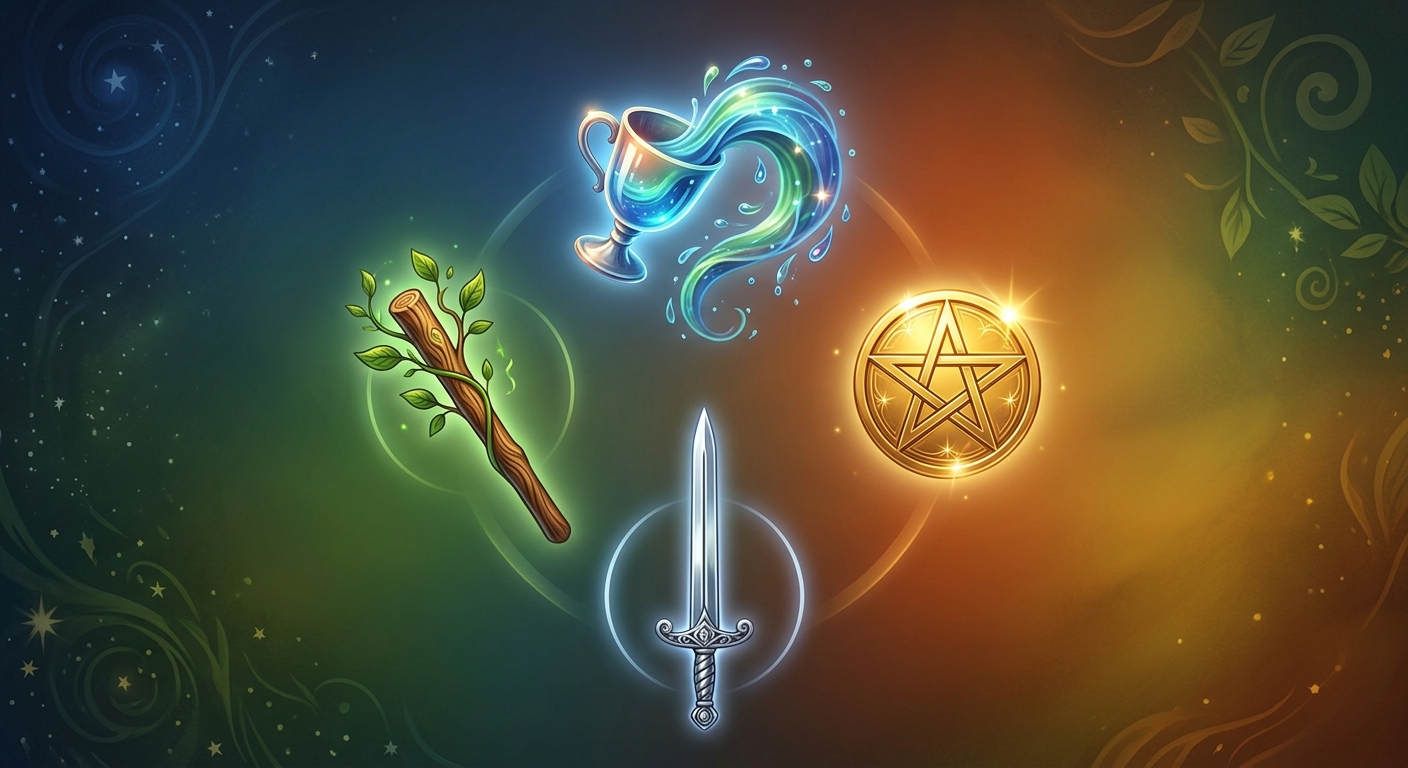
Divided into four distinct suits—Cups, Pentacles, Swords, and Wands—each Minor Arcana card mirrors the tangible experiences shaping your everyday life. Cups flow with emotional connections and intuitive insights. Pentacles ground you in material concerns, career developments, and financial matters. Swords cut through mental challenges and communication dynamics. Wands ignite creative passion and actionable energy.
Understanding minor arcana tarot cards transforms surface-level readings into nuanced guidance. Whether you're exploring tarot readings online or developing your interpretive skills, mastering the Minor Arcana provides the essential foundation for meaningful, practical divination that speaks directly to life's immediate questions and opportunities. Tools like Tarot Reader can help you build familiarity with these cards through repeated exposure and contextual interpretations that deepen your journey toward understanding minor arcana tarot cards and each suit's unique characteristics.
The Structure of the 56 Minor Arcana Cards
The Minor Arcana comprises 56 cards systematically organized into four distinct suits: Cups, Pentacles, Swords, and Wands. Each suit contains fourteen cards that follow an identical structure, creating a balanced framework for understanding life's multifaceted experiences.
Within each suit, you'll find numbered cards from Ace through Ten, representing a progressive journey through different stages and intensities of experience. The Ace symbolizes new beginnings and pure potential, while the Ten marks completion and culmination of that suit's energy.
Complementing these numbered cards are four court cards in each suit: Page, Knight, Queen, and King. These represent personality archetypes, maturity levels, and different approaches to expressing the suit's elemental energy. Pages embody youthful exploration, Knights represent action and movement, Queens express nurturing mastery, and Kings demonstrate authoritative command.
This systematic progression mirrors life's natural cycles—from inception through development to mastery—making the Minor Arcana particularly relevant for exploring everyday situations, relationships, and personal growth challenges. Platforms like Tarot Reader help users navigate these progressive journeys by providing clear explanations of how each numbered card builds upon the previous one, making it easier to interpret the framework effectively and understand where you are in any given cycle.
The Four Suits and Their Elemental Meanings
The Minor Arcana's four suits form the foundation of tarot's practical guidance system, each connected to a classical element that shapes its interpretation. Cups align with Water, governing emotions, relationships, intuition, and the inner landscape of feelings. Pentacles correspond to Earth, addressing material concerns like finances, career advancement, physical health, and tangible resources. Swords embody Air, representing thoughts, communication, mental clarity, conflicts, and intellectual challenges. Wands channel Fire's energy, expressing creativity, passion, ambition, spiritual growth, and transformative action.
Each suit creates a distinct lens through which life experiences unfold. When Cups appear in a reading, they invite exploration of emotional truths and relational dynamics. Pentacles ground readings in practical reality, offering insight into worldly success and security. Swords cut through confusion with sharp mental clarity, though they may also reveal painful truths. Wands ignite inspiration and drive, pushing toward bold new ventures and personal transformation.
Understanding Numbered Cards: Ace Through 10
The numerical progression from Ace to 10 within each suit tells a complete story of development and manifestation. Aces represent pure potential and new beginnings—the Ace of Cups offers emotional renewal, while the Ace of Pentacles presents material opportunity. Cards 2 through 4 establish foundations and initial growth. Mid-range cards (5-7) introduce challenges, conflicts, or turning points that test commitment. Cards 8 and 9 demonstrate mastery and near-completion of the suit's journey. Finally, 10s represent culmination and transition, whether the Ten of Cups' emotional fulfillment or the Ten of Swords' difficult ending that clears space for renewal. Understanding this arc helps readers interpret how energy moves through different life phases, making free online tarot readings more meaningful and actionable.
Mastering Court Cards: People and Personalities
Court cards represent the human element within tarot's Minor Arcana, depicting distinct personality archetypes and maturity levels across four ranks. Understanding these sixteen cards transforms readings from abstract concepts into tangible character portraits.
Pages embody youthful curiosity and new beginnings. They arrive as messengers bearing opportunities, students eager to learn, or that childlike wonder approaching fresh ventures. The Page of Cups might signal creative inspiration, while the Page of Pentacles suggests practical learning opportunities.
Knights channel pure action and momentum. These cards represent pursuit, movement toward objectives, and passionate engagement. They often indicate someone actively chasing goals or situations rapidly developing. Knights can appear impulsive or focused depending on their suit.
Queens demonstrate internal mastery and emotional intelligence within their element. They nurture, feel deeply, and express their suit's qualities through empathy and intuition. The Queen of Swords offers clear-minded compassion, while the Queen of Wands radiates confident charisma.
Kings command external authority and leadership. They've achieved mastery through experience, directing their suit's energy outward to influence their environment and guide others with established wisdom.
Minor vs. Major Arcana: Key Differences
The tarot deck's 78 cards divide into two distinct groups that serve complementary purposes in readings. The Major Arcana consists of 22 cards representing profound spiritual lessons, karmic cycles, and pivotal life transitions. These cards—from The Fool to The World—address soul-level experiences like transformation, enlightenment, and destiny.
In contrast, the Minor Arcana's 56 cards focus on everyday experiences, practical challenges, and immediate circumstances. These cards reflect how you navigate daily life through four suits: Wands (passion), Cups (emotions), Swords (intellect), and Pentacles (material matters).
Neither set outweighs the other in importance. Major Arcana cards reveal what significant themes are unfolding, while Minor Arcana shows how these themes manifest practically. When The Tower appears alongside the Five of Pentacles, for example, the Major card signals upheaval while the Minor card indicates financial impact.
Together, they create comprehensive guidance—Major Arcana provides the spiritual framework, and Minor Arcana delivers actionable context for navigating your path forward.
Practical Interpretation and Learning Strategies
Master Minor Arcana interpretation by connecting each suit to specific life domains. Wands illuminate career ambitions and creative projects, Cups reveal emotional relationships and intuitive guidance, Swords address mental challenges and communication patterns, while Pentacles ground you in financial matters and physical health.
Number symbolism creates your roadmap through each suit's journey. Aces spark new beginnings, while tens represent completion. Mid-range cards (4-6) often indicate stability or transition, and higher numbers (7-9) signal intensification before resolution.
Begin with daily one-card draws each morning. Draw a Minor Arcana card, predict your day's theme, then journal evening reflections on accuracy. This builds intuitive muscle memory faster than memorizing meanings.
Create personal associations by photographing real-life moments that embody each card's energy. The Three of Cups might be your friend's celebration photo, while the Eight of Pentacles could represent your focused work session. These anchors make abstract symbolism concrete and memorable.
Conclusion
Understanding minor arcana tarot cards unlocks the practical heart of tarot wisdom, transforming abstract spiritual concepts into tangible daily guidance. These 56 cards speak directly to the everyday experiences that shape our lives—from workplace challenges and relationship dynamics to financial decisions and personal growth opportunities.
The beauty of the Minor Arcana lies in its accessibility. Unlike the Major Arcana's profound life-altering themes, these cards address the immediate questions and concerns that occupy our thoughts each day. Regular practice with Minor Arcana cards builds your intuitive interpretation skills, helping you recognize patterns, trust your inner voice, and make more confident decisions.
As you continue your tarot journey, remember that mastery comes through consistent engagement. Each reading deepens your connection with the cards' symbolism and strengthens your ability to apply their wisdom meaningfully. Ready to experience Minor Arcana guidance firsthand? Try a free AI tarot reading and discover how these powerful cards can illuminate your path forward with clarity and insight.